
Immigration Inadmissibility Waivers & FOIA Record Lawyers in Austin, TX
Clearing the Path to Permanent Residency Without Leaving Your Family Behind
For many individuals seeking a Green Card through a family member, the biggest obstacle is not proving the family relationship—it is overcoming statutory grounds of inadmissibility. Under the United States Immigration and Nationality Act (INA § 212), previous immigration violations, unlawful presence, prior deportation orders, or minor criminal records can trigger automatic 3-year, 10-year, or permanent bars to re-entering the United States.
Leaving the country for an immigrant visa interview at a U.S. Embassy or Consulate without an approved waiver can mean becoming trapped outside the United States, separated from your spouse, children, or parents for years.
At Ponce Law Firm, PLLC., we specialize in building complex inadmissibility waiver applications and conducting exhaustive immigration record audits. Led by Lead Attorney Griselda Ponce—an experienced trial advocate licensed in Texas since 2004 and admitted to the U.S. Court of Appeals for the Fifth Circuit—our firm takes on complex waiver cases that other attorneys avoid. Based in Austin, Texas, and serving clients across Central Texas, nationwide, and abroad, our legal team delivers candid legal judgment and thorough evidentiary submissions to help families stay united.
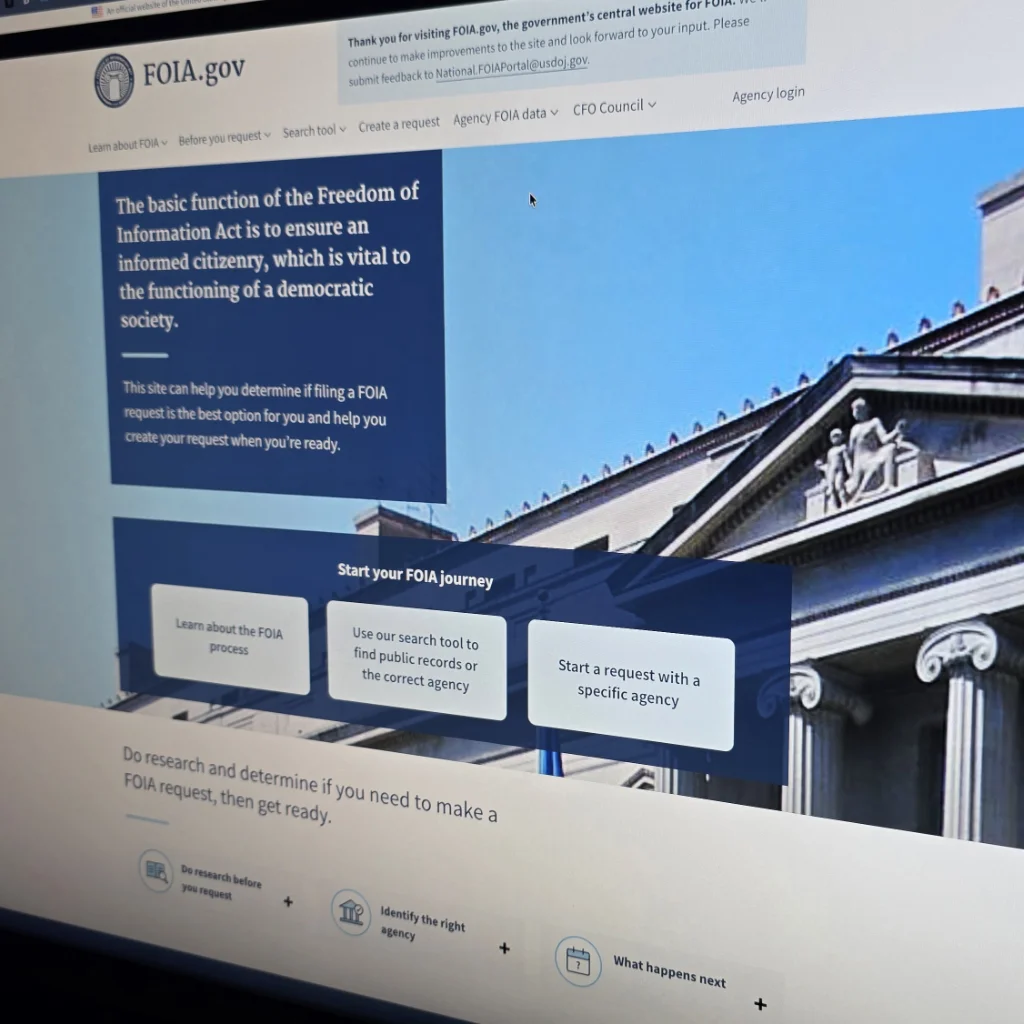
We don’t make empty promises or guess about your history. We retrieve your full immigration records through official Freedom of Information Act (FOIA) requests, analyze every prior border encounter or petition, establish the required extreme hardship standard, and file strategically prepared waivers.
Summary of Immigration Waivers & Administrative Procedures
| Waiver / Record Procedure | Primary Form & Statutory Basis | Grounds Addressed & Primary Purpose | Qualifying Relatives & Legal Standard |
|---|---|---|---|
| Provisional Unlawful Presence Waiver | Form I-601A (INA § 212(a)(9)(B)(v)) | Accrual of more than 180 days or 1 year of unlawful presence prior to consular processing | U.S. Citizen or LPR Spouse or Parent; Must prove Extreme Hardship if applicant is denied admission |
| Waiver of Inadmissibility | Form I-601 (INA § 212(h), 212(i), 212(a)(9)(B)) | Immigration fraud/misrepresentation, specific criminal convictions (CIMTs), or unlawful presence during AOS/consular processing | U.S. Citizen or LPR Spouse, Parent, or Child (varies by ground); Must prove Extreme Hardship or rehabilitation |
| Permission to Reapply for Admission | Form I-212 (INA § 212(a)(9)(A) & (C)) | Prior deportation/removal orders or unlawful re-entry after removal | Discretionary consent from DHS to reapply for admission before statutory bar expires |
| FOIA Record Retrieval | 5 U.S.C. § 552 (USCIS, EOIR, CBP, ICE) | Uncovering complete prior immigration, court, and border encounter history | Mandatory pre-filing audit to ensure no hidden inadmissibility grounds exist |
| Change of Address Compliance | Form AR-11 / Form EOIR-33 | Statutory duty to report address changes within 10 days | Prevents missed court notices and avoids automatic in absentia removal orders |
1. Form I-601A: Provisional Unlawful Presence Waivers
The Form I-601A Provisional Unlawful Presence Waiver is one of the most vital tools in family-based immigration. It allows qualifying immediate relatives and preference-based applicants who entered the United States without inspection to apply for a waiver of unlawful presence domestically before leaving the U.S. for their consular visa interview abroad.
Understanding Unlawful Presence Bars (INA § 212(a)(9)(B))
When a foreign national resides in the United States without legal status, they accrue “unlawful presence.” Under federal law:
- The 3-Year Bar: Accruing more than 180 days but less than 1 year of continuous unlawful presence triggers an automatic 3-year bar to re-entry upon departing the U.S.
- The 10-Year Bar: Accruing 1 year or more of continuous unlawful presence triggers an automatic 10-year bar to re-entry upon departing the U.S.
Without an approved Form I-601A waiver, an individual who departs the U.S. for an overseas consular interview will be barred from returning for 3 or 10 years.
How the Provisional Waiver Protects Your Family
By filing Form I-601A while the applicant is physically present in the United States, USCIS adjudicates the unlawful presence waiver before the applicant steps onto foreign soil. Once USCIS approves the provisional waiver, the applicant travels to their home country solely to attend the scheduled consular interview, shortening time spent away from their family from several years to just a few weeks.
Qualifying Relatives and the “Extreme Hardship” Standard
To qualify for a Form I-601A waiver, the applicant must establish that denying their admission would result in extreme hardship to a qualifying relative.
- Who counts as a Qualifying Relative? A U.S. citizen or Lawful Permanent Resident spouse or parent. (Note: Children are NOT qualifying relatives for unlawful presence waivers under INA § 212(a)(9)(B)(v), though hardship to children can indirectly affect the qualifying spouse or parent).
- What is “Extreme Hardship”? Extreme hardship is a high legal standard that goes beyond the ordinary distress, emotional pain, or financial burden associated with family separation.
Categories of Hardship Evidence We Compile:
- Medical & Healthcare Hardship: Qualifying relatives with chronic illnesses, disability, mental health conditions, or specialized care requiring the applicant’s presence in the U.S.
- Financial & Economic Hardship: Severe financial loss, inability to maintain mortgage or debt obligations, loss of dual income, or employment disruption if forced to relocate abroad.
- Emotional & Psychological Impact: Clinical psychological evaluations documenting severe anxiety, depression, or emotional trauma caused by forced separation or relocation.
- Country Conditions & Safety: Dangers, high crime rates, inadequate medical facilities, or political instability in the applicant’s home country that would harm the qualifying relative if they relocated abroad.
Ponce Law Firm, PLLC., builds exhaustive, fully documented waiver packages—incorporating medical records, financial audits, expert psychological reports, and country condition studies—to prove extreme hardship to USCIS.
2. Form I-601: Waiver of Grounds of Inadmissibility
While Form I-601A only cures unlawful presence for individuals applying domestically, Form I-601 covers a much broader range of inadmissibility grounds. Form I-601 is utilized during Adjustment of Status (AOS) inside the U.S. or submitted at a U.S. Consulate abroad after an immigrant visa application is refused.
Grounds of Inadmissibility Covered by Form I-601:
- Immigration Fraud & Misrepresentation (INA § 212(i)):
Using false documents, making false statements to border officials, or misrepresenting facts on prior visa applications to gain an immigration benefit. Requires proving extreme hardship to a U.S. citizen or LPR spouse or parent. - Certain Criminal Grounds (INA § 212(h)):
Inadmissibility resulting from crimes involving moral turpitude (CIMTs), a single marijuana possession offense under 30 grams, or multiple criminal convictions. Waiver eligibility depends on proving extreme hardship or showing that the criminal conduct occurred more than 15 years ago and the applicant has been fully rehabilitated. - Unlawful Presence (Filed Post-Consular Interview):
For applicants who accrued unlawful presence and are already outside the U.S. or are applying for domestic adjustment of status under grandfathered statutory provisions.
3. Form I-212: Permission to Reapply for Admission
If a noncitizen was previously deported or removed from the United States, they are subject to statutory re-entry bars under INA § 212(a)(9)(A) lasting 5, 10, or 20 years, depending on the circumstances of removal.
Requesting Consent to Reapply (Form I-212)
Form I-212 (Application for Permission to Reapply for Admission into the United States After Deportation or Removal) allows individuals subject to a prior removal order to request discretionary permission from DHS to re-enter the country legally before their statutory bar expires.
The “Permanent Bar” (INA § 212(a)(9)(C))
Individuals who accrue more than 1 year of unlawful presence (or receive a removal order) and subsequently enter or attempt to enter the U.S. without inspection are subject to the permanent bar under INA § 212(a)(9)(C).
Individuals subject to the permanent bar cannot seek a waiver until they have remained physically outside the United States for at least 10 full years following their last departure. Navigating cases involving prior removals or the permanent bar requires strict legal analysis to avoid improper filings.
4. Administrative Record Retrieval (FOIA) & Address Compliance
Filing an immigration waiver or petition without knowing your full administrative record is a major legal risk. Prior encounters with Customs and Border Protection (CBP) at the border, undisclosed voluntary departures, or forgotten court hearings can result in immediate waiver denials or referral to deportation proceedings.
Freedom of Information Act (FOIA) Record Audits
Before submitting any waiver application, Ponce Law Firm, PLLC., conducts thorough Freedom of Information Act (FOIA) requests across federal agencies:
- USCIS FOIA: Retrieves your entire affirmative alien file (A-File), including past petitions, interview notes, and approval/denial records.
- EOIR FOIA: Obtains complete records from the Immigration Court, including hearing audio tapes, judge orders, and Notice to Appear filings.
- CBP FOIA: Uncovers border encounter logs, biometric records, expedited removal orders, and voluntary departure records from ports of entry.
- ICE FOIA: Reviews detention history, order of supervision files, and enforcement records.
By conducting a FOIA audit before filing, we ensure that every statement made in your waiver package aligns with government records and addresses all underlying issues.
Maintaining Change of Address Compliance (Form AR-11 & Form EOIR-33)
Under federal law (8 U.S.C. § 1305), all foreign nationals residing in the United States must report any address change to USCIS within 10 days using Form AR-11.
If you have an active or prior Immigration Court case, you must also file Form EOIR-33/IC with the specific court holding jurisdiction. Keeping your address updated ensures you receive critical legal notices and prevents the entry of automatic in absentia deportation orders.
Why Choose Ponce Law Firm, PLLC for Waivers and Records?
Waivers of inadmissibility are completely discretionary—USCIS and foreign consulates are not required to grant them unless you prove both statutory eligibility and overwhelming favorable discretion.
- Decades of Focused Legal Practice: Lead Attorney Griselda Ponce has over 20 years of experience taking on difficult, high-stakes immigration cases across Texas and federal jurisdictions.
- Fifth Circuit Federal Litigation Experience: Admitted to the U.S. Court of Appeals for the Fifth Circuit, Attorney Ponce brings deep understanding of statutory standards and federal precedents to every waiver submission.
- No-Nonsense, Honest Case Audits: We do not submit waiver applications built on weak arguments. We conduct comprehensive FOIA audits, evaluate your family’s hardship factors candidly, and present concrete, evidence-backed claims.
- 100% Bilingual Client Representation: Our Austin-based legal team communicates directly in English and Spanish, making sure you and your qualifying relatives understand every document and affidavit.